
/ EN
2026-09-10 00:00 Brazil Papers Foundations & Methods Translated from EN

Random Forest Tells Real From Imagined Movements, Even on Consumer-Grade EEG

Summary Can a machine tell from EEG alone whether a person is actually moving or only imagining the movement? A preprint study tested a Random Forest classifier on consumer-grade and research-grade EEG systems and found it could separate the two kinds of activity and identify which body part was involved. EEG is a basic tool for studying the brain's electrical activity during movement, and BCIs use that activity to build assistive technologies, particularly for people with physical disabilities; because extracting features and patterns from the signal remains complex, the task is often handed to machine learning. The study also found that differences in EEG between individuals drag down classification accuracy, meaning a model that works for one person may perform worse on another. The work is a preprint and has not been peer reviewed.
Why it matters The algorithm is not the story, since Random Forest is a mature method; what matters is that consumer-grade EEG hardware was part of the test. If low-cost consumer devices can support motor-intent classification, the barrier to building a BCI drops noticeably. The study also names the practical obstacle: person-to-person EEG variability lowers accuracy, so cross-user generalization is still unsolved.

随机森林算法识别真实与想象动作,消费级脑电也能用
Image: arXiv, CC BY 4.0

BCIwiki (bciwiki.com) — A machine learning model based on the Random Forest algorithm can classify EEG signals from subjects performing real and imagined motor activities, and it works on consumer-grade EEG hardware as well as research-grade systems, according to a preprint posted to arXiv on September 10, 2026. The work is by Tarciana C de Brito Guerra, Taline Nóbrega, Edgard Morya, Allan de M. Martins and Vicente A de Sousa, and has not been peer reviewed.

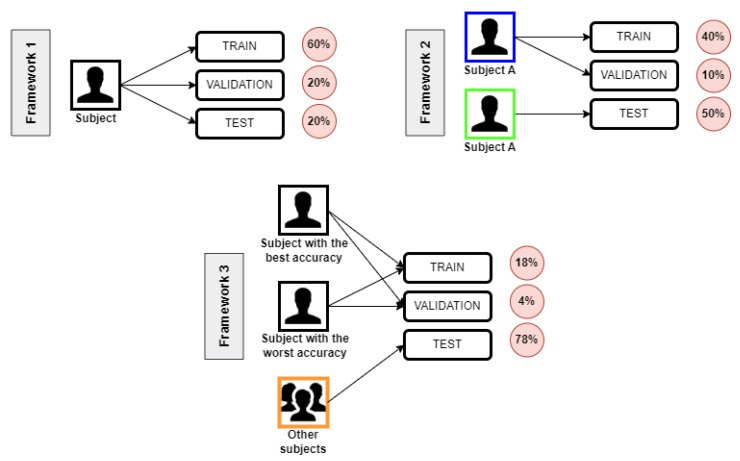
The team evaluated its Random Forest classifier on both a consumer-grade and a research-grade EEG system. The algorithm efficiently distinguished imagery from real activities and identified the related body part, even with consumer-grade EEG. The study also found that interpersonal variability in EEG signals negatively affects the classification process.

EEG is a fundamental tool for understanding the brain's electrical activity related to human motor activities, and brain-computer interfaces use that activity to build assistive technologies, especially for people with physical disabilities. Extracting signal features and patterns remains complex, which is why the task is often delegated to machine learning algorithms. The researchers say correct interpretation and classification of EEG signals is a prerequisite for tools controlled by cognitive processes.

Compiled by BCIwiki from public sources

Sources · 1
arxiv.org 2026-09-10
Read original ↗
Suggest a correction Revisions · none / EN
© 2026 BCIwiki.com Digest Topics Tips Subscribe Revisions About