

BCIwiki (bciwiki.com) — A systematic review and meta-analysis published in Frontiers in Neurology on 2026-10-19 included seven randomized controlled trials assessing non-invasive brain stimulation (NIBS) combined with brain-computer interface (BCI) training for upper extremity motor function after stroke. The question was whether stimulation adds benefits to BCI training, rather than whether BCI training itself is effective.
The researchers searched EMBASE, PubMed, Web of Science, and the Cochrane Library from inception through October 2025. They pooled mean differences (MDs) in pre- to post-intervention change scores and 95% confidence intervals. The review was registered with PROSPERO under CRD420251151708.
Compared with BCI alone, the combined approach did not produce superior immediate upper extremity motor recovery and was associated with less improvement on the Fugl-Meyer Assessment for Upper Extremity (FMA-UE): MD = −3.67, 95% confidence interval −5.32 to −2.01, and I² = 0%. The negative difference indicates a smaller improvement in the combined group relative to BCI alone, not necessarily a decline from that group's own baseline.
Prespecified subgroup analysis suggested that studies of transcranial direct current stimulation (tDCS) plus BCI mainly drove the pooled result. Repetitive transcranial magnetic stimulation (rTMS) plus BCI showed no significant difference. The review identified neither a significant long-term effect of tDCS plus BCI nor a significant stimulation-site difference for rTMS plus BCI.
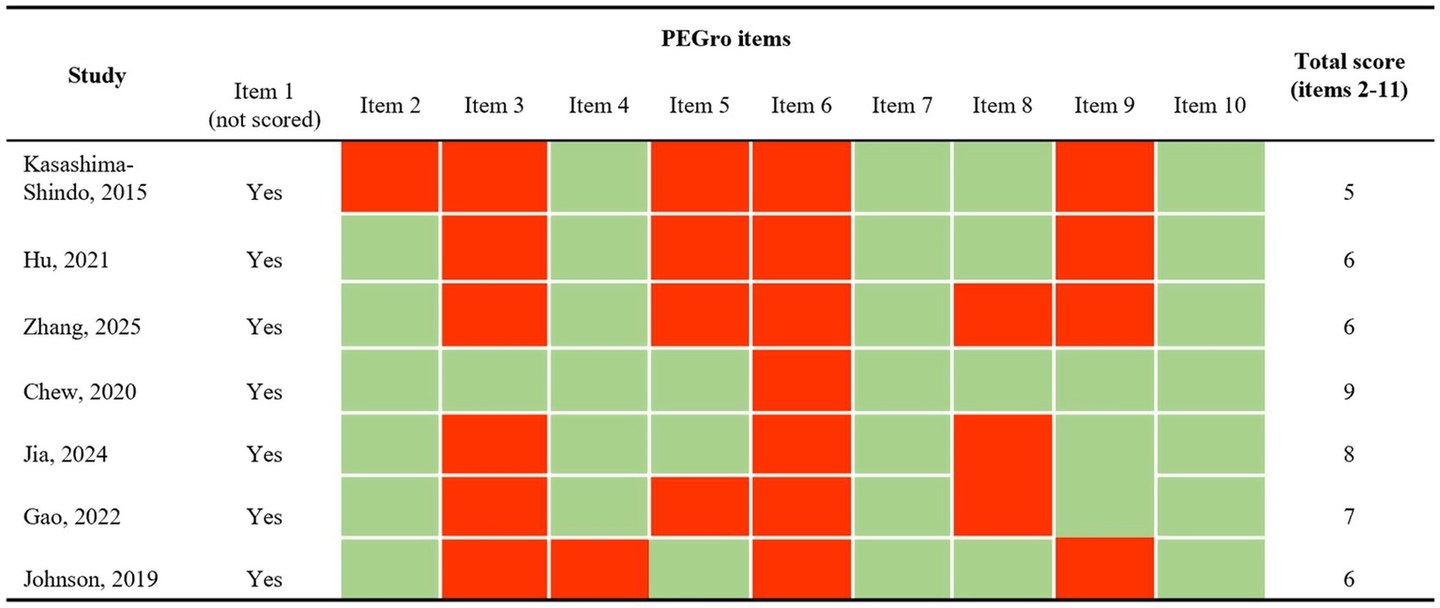
Evidence certainty ranged from moderate to very low, and sensitivity analyses indicated that the pooled findings were unstable. The authors conclude that current evidence does not demonstrate a clear additional benefit from adding NIBS to BCI for upper extremity rehabilitation after stroke. They call for more rigorous, adequately powered trials to examine whether optimized stimulation protocols or specific patient subgroups may benefit.