

BCIwiki (bciwiki.com) — Patients with geographic atrophy who received the PRIMA subretinal implant gained a mean 29 letters (nearly 6 lines) of visual acuity at 36 months, up from 24.5 letters at 12 months, in the pivotal PRIMAvera trial (NCT04676854), according to Science Corporation. Mahi Muqit, a consultant vitreoretinal surgeon at Moorfields Eye Hospital NHS Foundation Trust and associate professor at the Institute of Ophthalmology, University College London, presented the data in a late-breaking session at the 26th EURETINA Congress in Vienna.
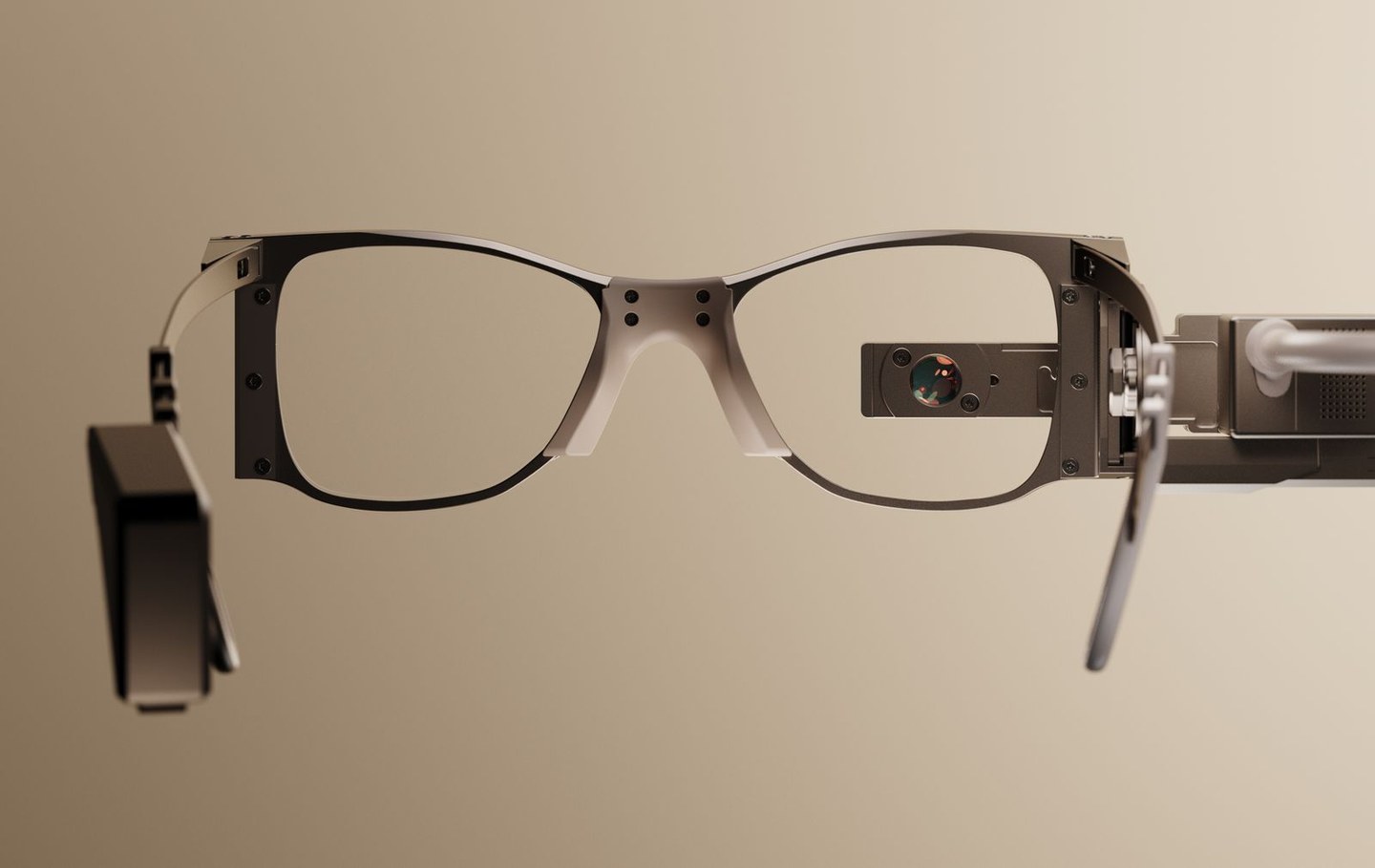
The 2mm x 2mm x 30µm photovoltaic implant sits within the atrophied area of the retina. Glasses project near-infrared light onto it, and the implant acts as an array of artificial photoreceptors, stimulating the remaining retinal cells that carry the visual signal to the brain. A zoom feature lets patients magnify letters. The device is indicated for geographic atrophy due to age-related macular degeneration. The company says it is commercially available in Europe and the UK and pending FDA approval in the United States.
The trial implanted 38 patients at 17 sites in 5 European countries. At 36 months, 27 were evaluable for safety and 18 for efficacy. According to the company, 14 of 18 patients (78%) gained at least logMAR 0.3, equivalent to 15 letters on the ETDRS chart. No new safety signal emerged between months 12 and 36. Serious adverse events clustered in the first 6 months after surgery; 3 occurred after month 12, and none were attributed to the device alone. Natural vision in the implanted eye stayed stable, and serial imaging showed anatomic stability at the implant site.
Max Hodak, Science's co-founder and CEO, called it 'the first multi-year durability data for a BCI that restores form vision.' Muqit said the complications were expected risks of subretinal surgery that occurred in the first weeks, with nothing new over three years. PRIMA was originally developed by Professor Daniel Palanker at Stanford University; Science manufactures the current version and is designing a next-generation implant with higher resolution and a wider field of view.