

BCIwiki (bciwiki.com) — NeuroXess disclosed new clinical exploration progress with its brain-computer interface (BCI) system on September 30, 2026. The company describes the system as fully implanted, fully wireless and fully functional, calling it the "Three-Full" BCI. Its report follows Xiao Jia, a participant with tetraplegia whose name is a pseudonym, using the system alongside large AI models, 3D printing and AI smart glasses to create physical objects and control devices in his surroundings.
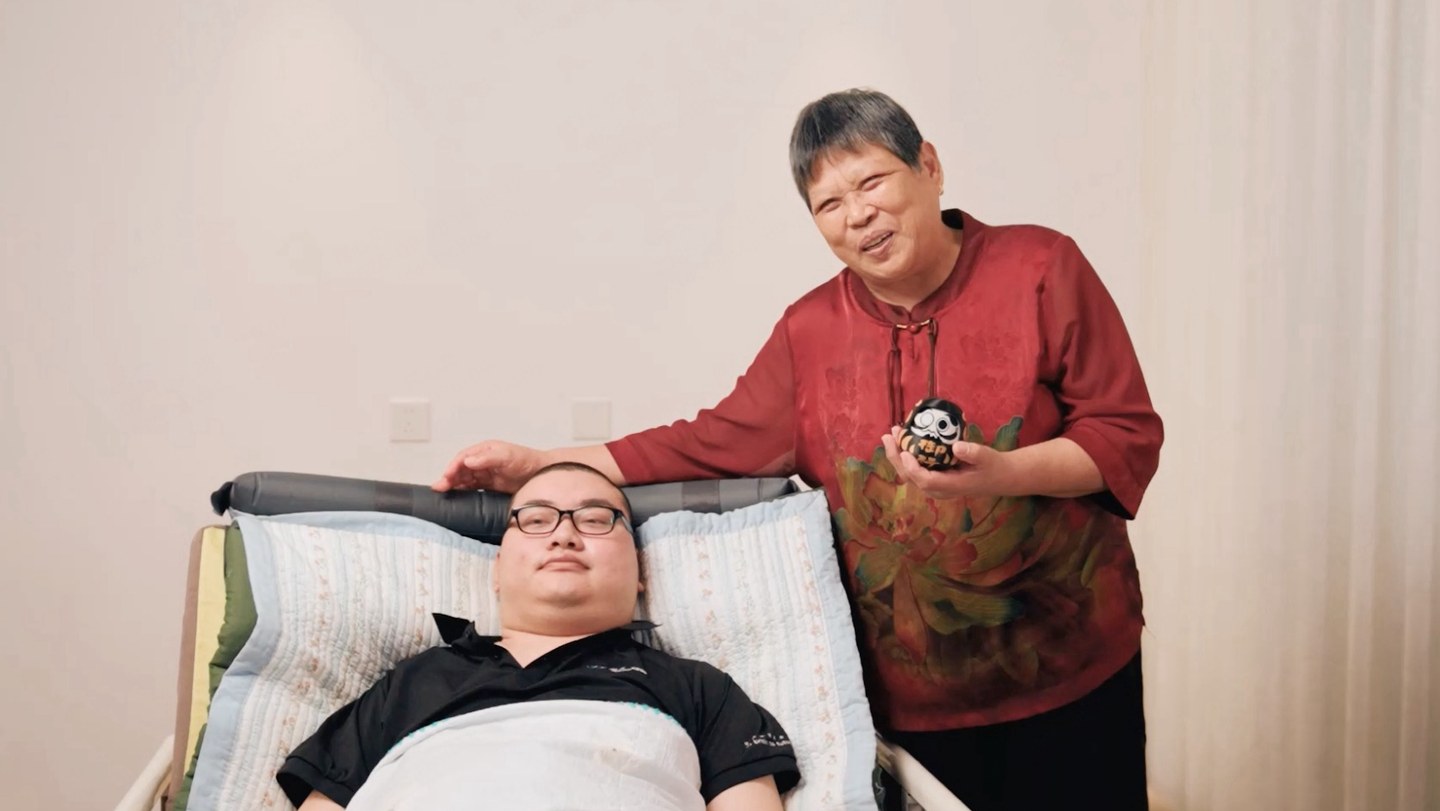
According to NeuroXess, Xiao Jia previously studied animation design and sustained a C4 spinal cord injury in an accident in 2021, severely limiting movement below his shoulders. He received the implant in April 2026 and has since continued system training while exploring digital-device operation and external applications.
For object creation, the company reported that Xiao Jia proposed a concept based on a favorite game character, drew sketches through brain control and entered text prompts. AI generated several visual options, which he compared and confirmed before AI produced a digital model for 3D printing into a physical figurine. He also proposed design requirements for a personalized finger sleeve to address difficulties putting on and using an existing tablet accessory. NeuroXess said the digitally designed, 3D-printed sleeve was lighter and better fitting and improved his touchscreen experience.
In environmental interaction tasks, the company said AI smart glasses used simultaneous localization and mapping (SLAM) for visual perception and dynamic modeling. The system identified the area receiving Xiao Jia's attention and offered control options for devices within it. After he expressed and confirmed an operational intention through the BCI, the system translated it into commands for bed adjustment, lighting and household devices. NeuroXess described XessOS as connecting user intentions with external devices and converting them into executable commands.
NeuroXess interprets these explorations as an application pathway linking human intentions with AI and external tools. The reported object creation and device responses depend on several technologies working together; they do not amount to the BCI directly reading a complete creative concept or demonstrate restoration of the participant's motor function.