
/ EN
2026-07-20 00:00 United Kingdom Papers Foundations & Methods Translated from EN

UCL Workshop Syncs EEG, Eye Tracking, ECG and GSR in a Flight Simulator

Summary Researchers demonstrated synchronized EEG, ECG, GSR and eye tracking during a flight-simulation experiment at a workshop held with Professor Tom Carlson at University College London. A g.Nautilus 28-channel wireless EEG headset, ECG and GSR sensors and Tobii Pro Glasses 3 captured the signals in real time, tracking mental workload, engagement and heart rate variability (HRV) across two complete flight cycles of take-off, free flight and landing. The rig can be set up in 30 minutes and leaves participants free to move throughout.
Why it matters Passive workload monitoring is the nearest-term commercial use of EEG, and the point here is the setup budget: brain, eye, heart and skin signals time-locked in a mobile rig that takes 30 minutes to fit, which is the practical bar any operator-monitoring product has to clear.

多模态脑机接口飞行模拟实验:同步采集EEG、眼动、ECG与GSR
Image: G.tec medical engineering GmbH

BCIwiki (bciwiki.com) — During a workshop at University College London with Professor Tom Carlson, G.tec medical engineering GmbH demonstrated synchronized EEG, ECG, GSR, and eye tracking in a flight simulation experiment. Using g.Nautilus 28-channel wireless EEG, ECG, GSR sensors, and Tobii Pro Glasses 3, the setup captured multimodal biosignals in real time, monitoring changes in mental workload, engagement, and heart rate variability (HRV) across two complete flight cycles including take-off, free flight, and landing. The setup can be prepared within 30 minutes, and participants remain fully mobile throughout.

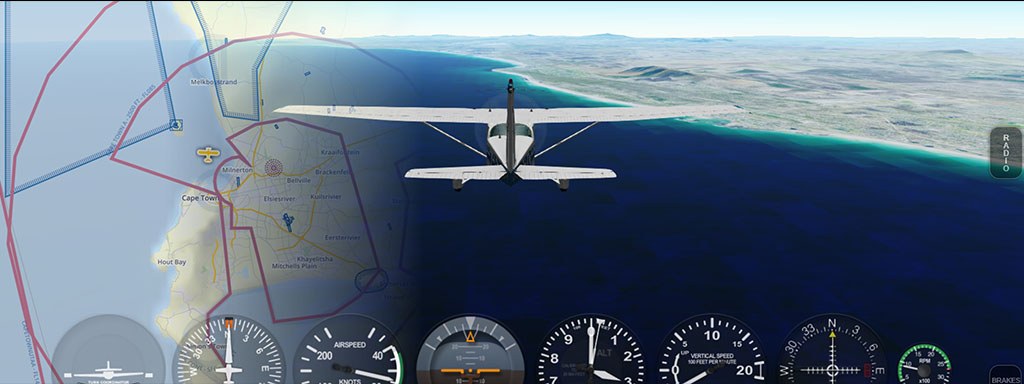
The experiment used the GeoFS flight simulator, with participants completing two flight cycles around Cape Town, including take-off, free flight, and landing, to simulate varying levels of cognitive workload. Data acquisition and synchronization were performed with g.HIsys, a MATLAB Simulink-based environment supporting filtering, band-power calculation, and physiological metric extraction. Eye tracking data were automatically imported into g.BSanalyze via markers generated in Tobii Pro Lab, enabling definition of areas of interest, segmentation of EEG epochs, and calculation of event-related potentials such as P300. This multimodal approach aims to simultaneously assess neural activity, autonomic nervous system responses, and visual attention.

Compiled by BCIwiki from public sources

Sources · 1
gtec.at 2026-07-20

From these organizations

2026-08 University College London Stanford's Palanker Wins Defense Health Agency Award for PRIMA Retinal Implant 2026-08 University College London P300 BCI Reads Silently Chosen Digits in a Granada Classroom 2026-07 University College London Deep Learning Localizes Epileptogenic Zones 2024-11 G.tec medical engineering GmbH g.tec Tests recoveriX in Parkinson's Against the Same Therapy Without EEG
Read original ↗
Suggest a correction Revisions · none / EN
© 2026 BCIwiki.com Digest Topics Tips Subscribe Revisions About