CMU Intracortical BCI Helps Animals Steady Prefrontal Activity Within Hundreds of Milliseconds
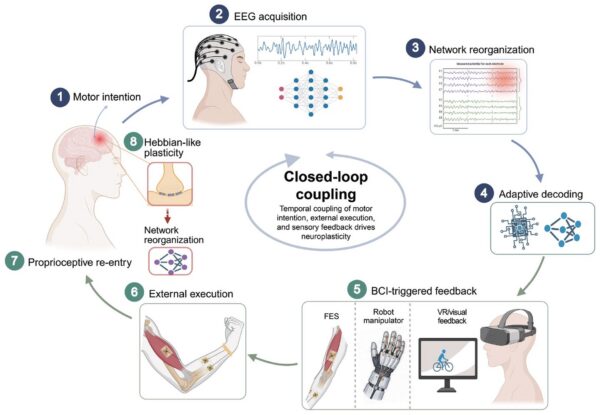
Carnegie Mellon University researchers built an intracortical brain-computer interface that lets animals use visual neurofeedback to hold prefrontal cortex population activity near a preset target. Arousal drifts during tasks, with low arousal linked to drowsiness and high arousal to stress, and these departures from optimal performance show up as fluctuations in neural activity. With moment-by-moment feedback, the animals reduced those fluctuations on timescales from seconds down to hundreds of milliseconds, and arousal-related regulation of neural activity was associated with BCI use. The team says neurofeedback could help strengthen or restore regulation of neural activity in clinical conditions where arousal control is impaired. The work is a preprint, has not been peer reviewed and has been done only in animals.